
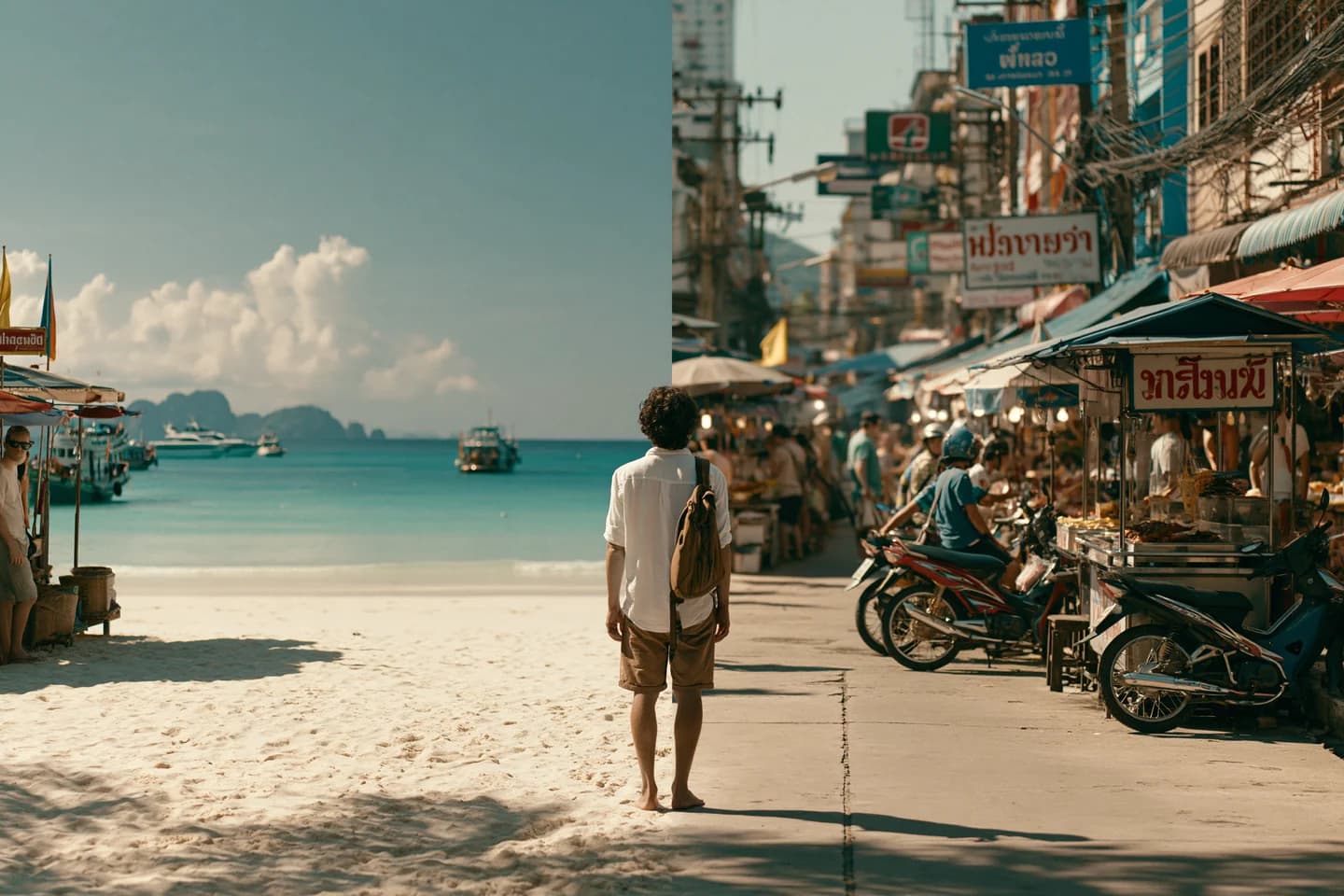
Some Thailand travel myths matter because they shape decisions you pay for: which ticket to buy, whether to rely on a phone payment and what a rental agreement allows you to do. A useful check happens before booking, while you can still change the plan easily.
These five assumptions deserve particular attention. They concern details that can differ by traveller, provider and date, so use the examples to identify what you need to confirm.
Myth 1: the same entry rules apply to every visitor
A friend's recent arrival experience does not establish the rules for your passport, purpose of travel or length of stay. Visa exemptions, visas and other arrival requirements are separate things, and information can change.
Start with the Thai embassy or consulate responsible for your location. The official Thai e-Visa portal is a useful starting point for visa information where applicable. Check current passport, onward-travel and arrival requirements through official channels before departure.
Save the information relevant to your own case. If an airline or visa application asks for supporting documents, a social-media post about someone else's trip is not a substitute. Keep this check separate from deciding which destinations look appealing.
Myth 2: a ticket to “Bangkok” always means the same airport
Bangkok has two major commercial airports: Suvarnabhumi, BKK, and Don Mueang, DMK. They are separate locations. An international arrival at one followed by a domestic departure at the other involves a ground transfer, not a walk to another terminal.
Look at the three-letter airport code on every flight. Include immigration, baggage collection, the journey across the city and the next check-in deadline when considering a change of airport. Traffic and queues make a single universal transfer time unreliable.
Also check your accommodation's location against the airport you actually use. A hotel described as “near the airport” may be convenient for one and inconvenient for the other. Put the correct airport name in your transport booking and saved address.
Myth 3: a short flight leaves most of the day free
An advertised flight duration describes time in the air or the scheduled flight segment. Your travel day also contains packing, checking out, reaching the airport, waiting, collecting bags and finding the next hotel.
Separate flight tickets add another consideration. If the first journey is delayed, the onward carrier may have no obligation to move your later booking. The exact protection depends on your ticket and provider; do not assume two reservations behave like a through-ticket.
Build a door-to-door plan before adding an activity immediately after arrival. For an international departure, a final night in the departure city can reduce dependence on a same-day domestic flight or ferry. The 10-day itinerary shows how to allow space for that return.
Myth 4: a QR code means any phone can pay
QR payments are common in Thailand, but the code alone does not tell you whether your foreign banking app can use it. Compatibility depends on the network, account and service. Some visitors have access to supported cross-border options; others do not.
Ask your bank what works before relying on one method for all purchases. A card logo, a QR sign and an online checkout can represent different payment arrangements at the same business.
Carry a suitable alternative for small purchases and check any fees attached to your chosen method. When an amount matters, confirm the currency and total before approving the payment. Useful price-listening practice starts with Thai numbers.
Myth 5: being offered a scooter means you are cleared to ride
A rental shop's willingness to hand over keys does not confirm that your licence covers that vehicle, that any required permit is in place or that your insurance applies. A small scooter can still fall within motorcycle requirements.
Check the appropriate licence category and current local requirements before renting. Read the insurance terms for the actual activity and vehicle. If those details are unclear, compare other transport options instead of treating a rental receipt as permission.
Your government's travel advice can provide a starting point for road and insurance considerations. For example, UK travel advice for Thailand includes guidance for road travel; use the relevant authorities for your own documents and circumstances.
Turn each assumption into a booking question
Write down the detail you need, the source that can confirm it and the date you checked. “Which airport?” is answerable from the ticket. “Will my app work?” belongs with your bank. “Does my policy cover this?” belongs in the policy wording or a clear response from the insurer.
Once those questions are resolved, compare destinations in the first-trip planning guide. The result is a route based on your actual connections and circumstances, with fewer surprises hidden behind familiar travel advice.
Common questions
Are BKK and DMK the same Bangkok airport?
No. BKK is Suvarnabhumi Airport and DMK is Don Mueang Airport. Check the airport code on each ticket and allow for a journey across the city if you need to change airports.
Does a Thai QR payment sign mean my foreign banking app will work?
No. Compatibility depends on your bank, app and the payment network. Some cross-border arrangements exist, but a visible QR code does not establish that your account supports it.
Does a scooter rental shop check everything needed for legal riding?
Do not assume it does. Verify the licence category, any required permit and your insurance conditions independently. Being offered a vehicle is not proof that you meet those requirements.
Behind ThaiWith.Me
Fern is a native Thai speaker from Chiang Mai and has been teaching since 2019. Her lessons connect practical language with everyday cultural context.
Meet your Thai tutor